Harmonization across releases
Connect variables and definitions across survey cycles while documenting differences that affect comparability.
From source data to evidence you can use.
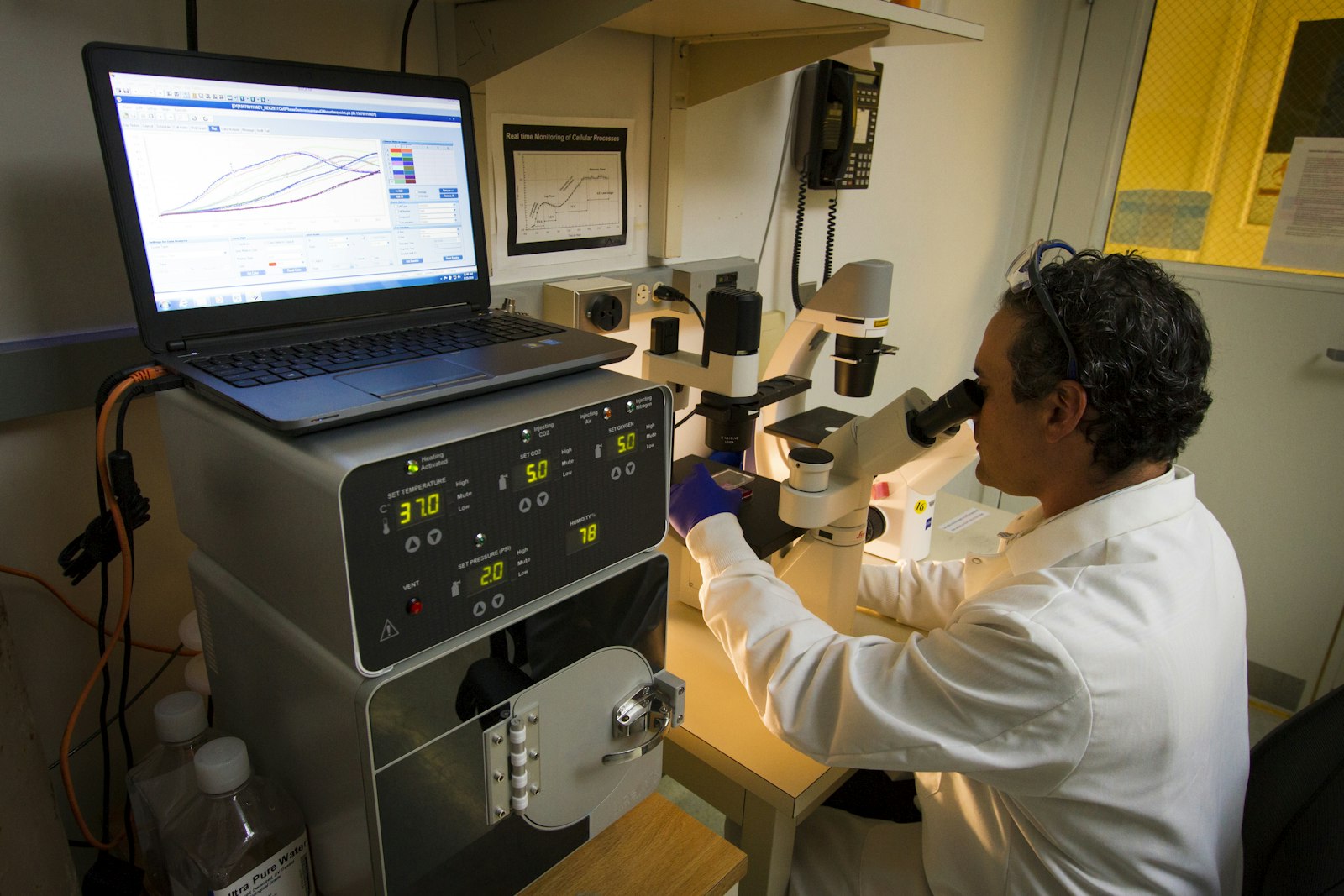
Useful research begins with clear definitions, documented transformations, and workflows that others can reproduce.
Bring variables and records from different releases into a consistent structure.
Connect data preparation, analytical code, documentation, and provenance.
Turn analytical findings into clear explanations and useful outputs for researchers, practitioners, and institutional decision-makers.
Our Research & Data pillar connects dataset preparation, reproducibility, and applied research through Praxis Data Lab. NHANES provides a practical starting point for work across longitudinal federal data releases.
Connect variables and definitions across survey cycles while documenting differences that affect comparability.
Keep source releases, preparation code, variable dictionaries, and validation records connected to analytical outputs.
Our planned research includes AI-assisted semantic harmonization, metadata generation, and assessment of legacy-dataset readiness. Proposed methods require evaluation before being treated as validated capabilities.
We seek collaborations around dataset governance, transparent contribution processes, sustainable access, and practical training for researchers and public-health education teams.
Reusability depends on understanding what the data represents and how it was prepared.
Consider changes in definitions, instruments, and collection methods across releases.
Account for eligibility, missingness, sampling, and the limits of the population represented.
Connect every analytical output with the data, code, and assumptions behind it.
We advance our Research & Data pillar through Praxis Data Lab, our data intelligence platform. It brings ingestion, harmonization, validation, analysis, and reproducible delivery together so researchers and institutions can work with dependable evidence.