

Institutions invest in digital systems for good reasons: to reduce paperwork, speed up approvals, improve reporting, or give leaders a clearer view of what is happening. Yet many new platforms end up running alongside the old spreadsheets and paper forms they were meant to replace. Staff return to familiar workarounds, and the system becomes one more thing to maintain.
The cause is rarely the software itself. More often, the system was designed around a feature list rather than around the work people actually do.
Map the work before choosing the tool
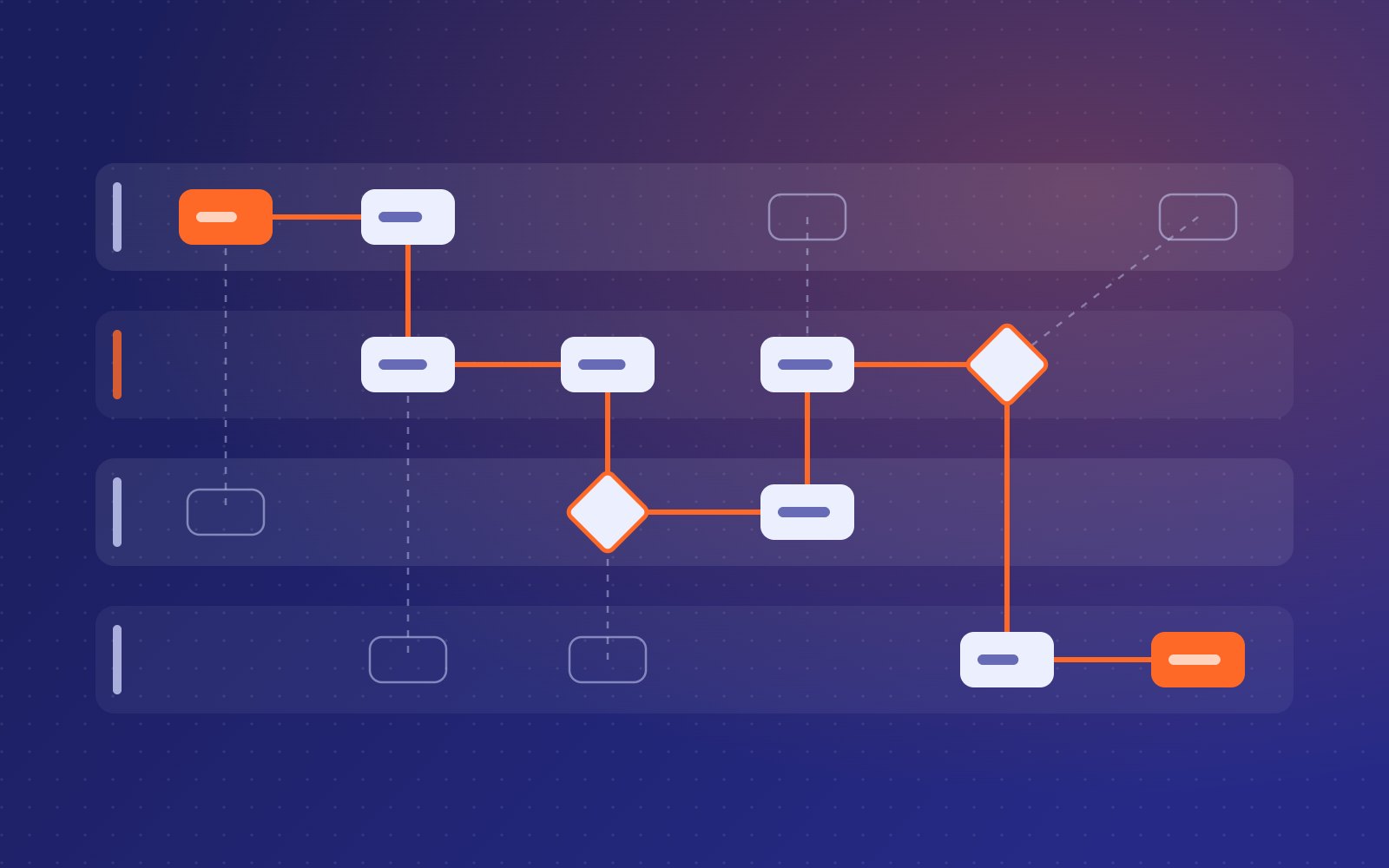
Before selecting a platform, it helps to describe the current process in plain terms: who starts a task, what information they need, who reviews it, where it waits, and what happens when something goes wrong. This often reveals steps that exist only out of habit, approvals that duplicate each other, and handovers where information is re-entered by hand.
A simple workflow map, drawn with the people who do the work, answers questions that no product demonstration can:
- Where does time actually get lost?
- Which steps need human judgement, and which are routine?
- What information is captured more than once?
- Who needs to see what, and when?
With those answers, the choice of tool becomes clearer, and the requirements become specific enough to test.
Automate the routine, support the judgement
Automation is most valuable where work is repetitive and rules are clear: routing a request to the right reviewer, sending reminders, checking that required fields are complete, or producing a standard report. These are the tasks that consume staff time without using their expertise.
Decisions that require context, such as approving an exception, assessing quality, or responding to a sensitive case, are different. Here, the system’s job is to put the right information in front of the right person, not to make the decision for them. Good design keeps people in the loop where it matters and removes them from steps where they add little.
This applies equally to newer tools, including AI. Used well, they can draft, summarise, and flag issues. Used carelessly, they hide reasoning that institutions need to be able to explain.
Design access and accountability in from the start
Institutional systems hold information that matters: personal records, financial data, assessments, and decisions. Appropriate access is not an afterthought. Each role should see what it needs and nothing more, and important actions should leave a clear record of who did what and when.
These controls also build trust. Staff are more willing to rely on a system when they know it is secure and that their work is visible and attributed fairly.
Measure what changes
A system is successful when the work improves, not when it goes live. Before launch, agree on a small number of practical measures: the time a typical request takes, the number of steps that require re-entry, the share of reports produced on time. Revisit them after a few months.
Measurement turns implementation into a learning process. It shows where adoption is strong, where people are still working around the system, and what to adjust next.
A practical starting point
Digital transformation does not need to begin with a large platform decision. It can begin with one important process, mapped carefully, improved deliberately, and measured honestly. Each improvement builds the confidence and capability to take on the next.
At Praxis Global Institute, our technology and innovation work connects workflow clarity, appropriate access, and reliable evidence so that digital systems support service delivery rather than adding to it. If your institution is planning a new system or rethinking an existing one, we would be glad to talk it through.
Praxis Editorial Team
Perspectives from across Praxis Global Institute’s research, technology, education, and advisory work.
Facing a similar challenge in your institution?
We work with teams on research, data, digital systems, and learning that hold up in practice.