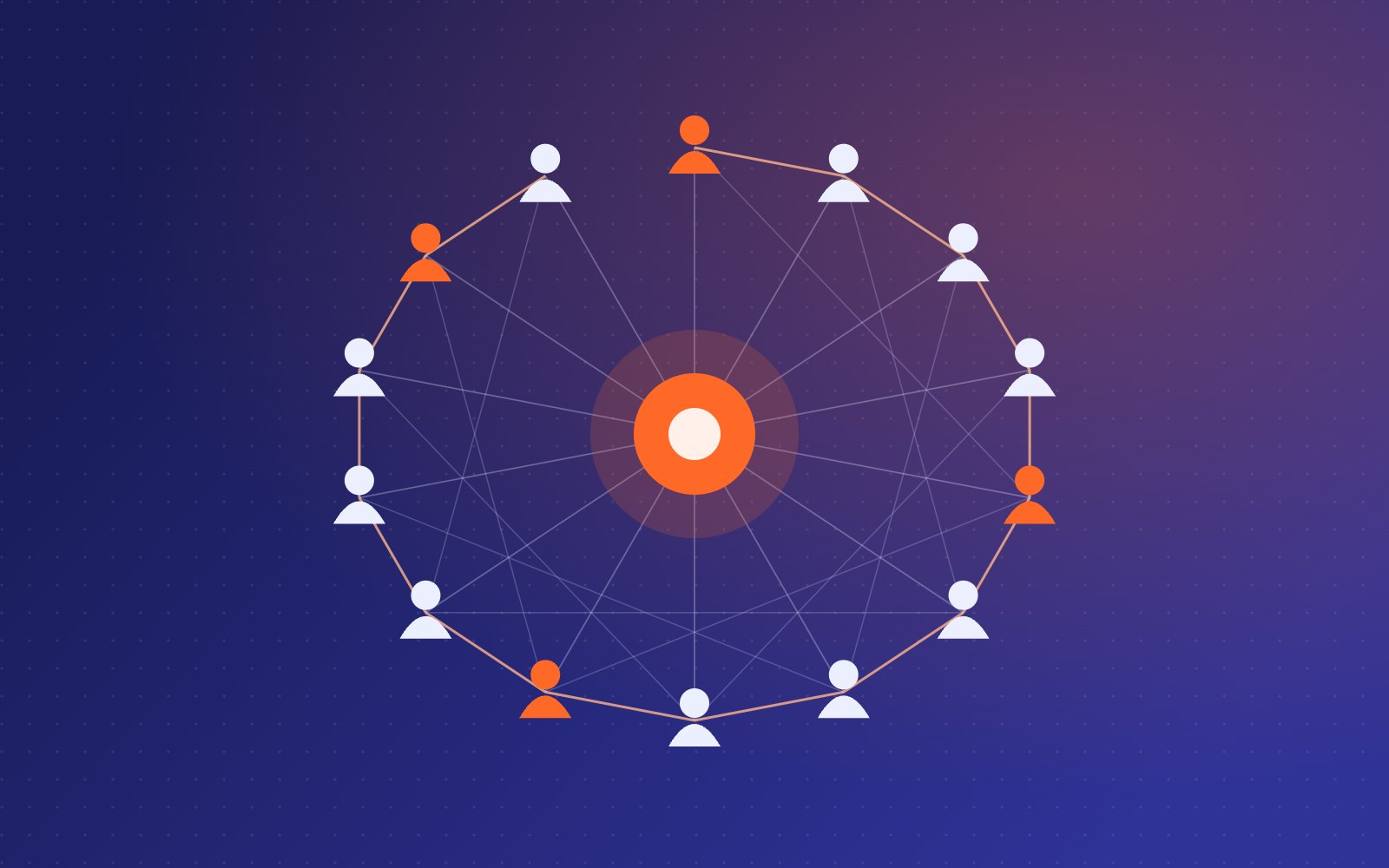


Most institutions approach improvement in separate streams. A research project produces findings. A technology project delivers a new platform. A training programme builds skills. Each may succeed on its own terms, yet the institution as a whole often changes less than anyone hoped.
The reason is simple. Evidence, technology and learning depend on one another. When they are planned in isolation, each one is left carrying weight it was never designed to carry alone.
Evidence without systems stays on the shelf
Good research tells an institution what is happening and what might work better. But findings only change practice when they reach the people and processes where decisions are made. If the data that informed a study cannot be refreshed, if the analysis cannot be repeated, or if results never connect to the systems staff use every day, the evidence becomes a report rather than a resource.
Institutions get more from their evidence when they ask, from the start, how it will be maintained, who will use it, and through which systems it will flow.
Systems without learning go unused
Digital systems promise efficiency, accuracy and visibility. Yet a system is only as effective as the people using it and the processes around it. When staff are not equipped to use a new platform with confidence, or when its purpose is not connected to their work, they return to familiar workarounds.
Learning is not an add-on to technology. It is part of how a system becomes real inside an institution. The most successful implementations treat capability building as a core deliverable, not a final training session.
Learning without evidence lacks direction
Professional development is most valuable when it targets the capabilities an institution actually needs. Without evidence about where the gaps are, what is changing in the sector, and what results matter, training can become generic. Participants may enjoy it, but the institution sees little difference.
When learning is informed by evidence, it can be focused, practical and measurable. It builds the skills that move priorities forward.
Designing for the connections
Bringing these three together does not require one enormous programme. It requires asking a few connecting questions whenever one of them is planned:
- For a research effort: which systems will hold and update this evidence, and who needs to be able to use it?
- For a technology investment: what evidence shows this is the right problem to solve, and what learning will help people adopt it?
- For a learning programme: what evidence defines the capability we are building, and which tools will participants use to apply it?
These questions are modest, but they change how work is scoped, budgeted and judged.
Why this shapes our work at Praxis
Praxis Global Institute was built around this connection. Our work in research and data, technology and innovation, education and training and advisory and partnerships is designed to work as one approach rather than four separate services. Research informs the questions we ask. Technology supports implementation. Learning builds the capability to sustain the change.
Institutions do not need to do everything at once. They benefit most when each step they take strengthens the others. If your institution is weighing where to begin, we would be glad to start a conversation.
Simon Aseno
Simon Aseno is President and CEO of Praxis Global Institute, where he leads work connecting research, technology, education and advisory to strengthen people, systems and institutions.
Facing a similar challenge in your institution?
We work with teams on research, data, digital systems, and learning that hold up in practice.